Starting the conversation
1. What should an OEM project start with?
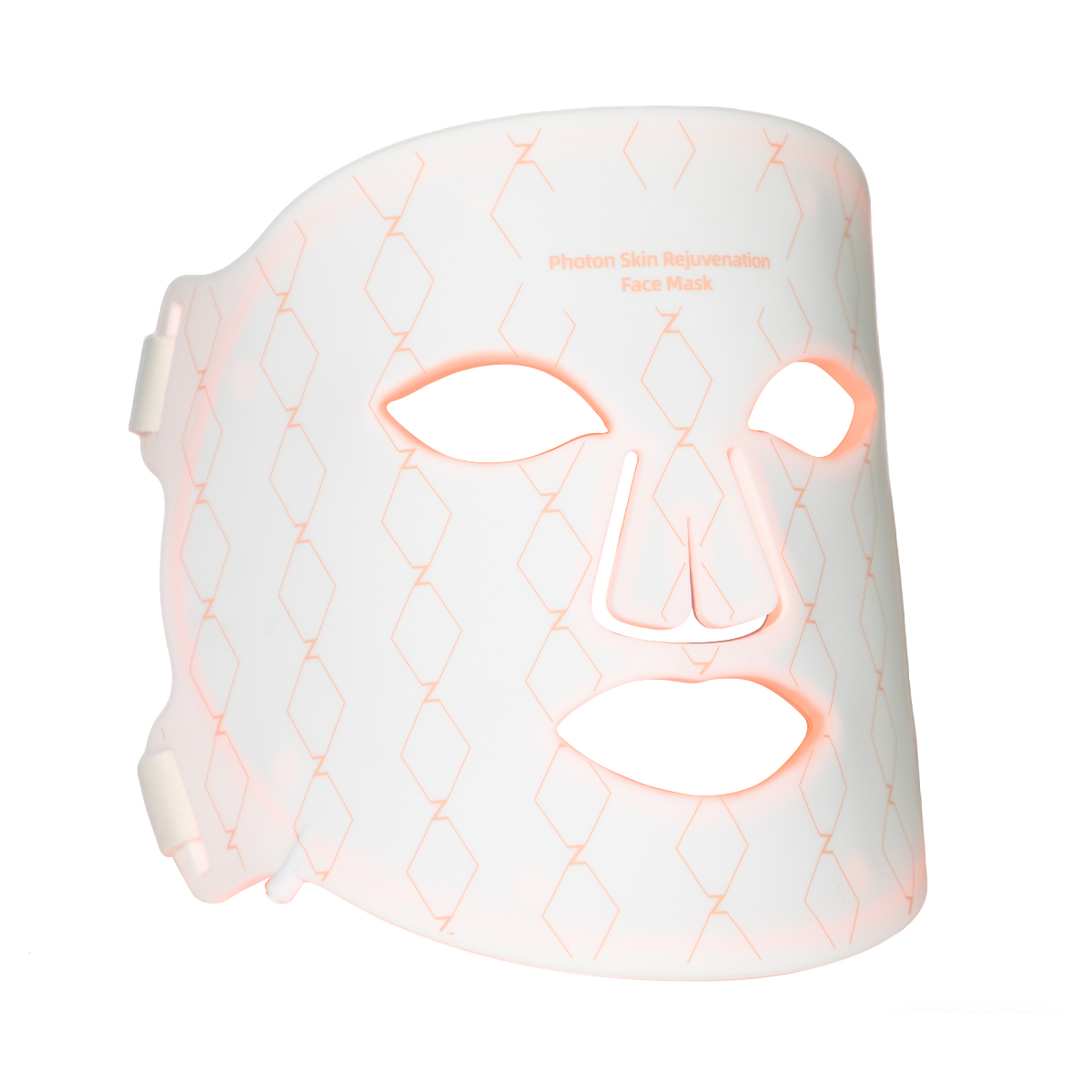
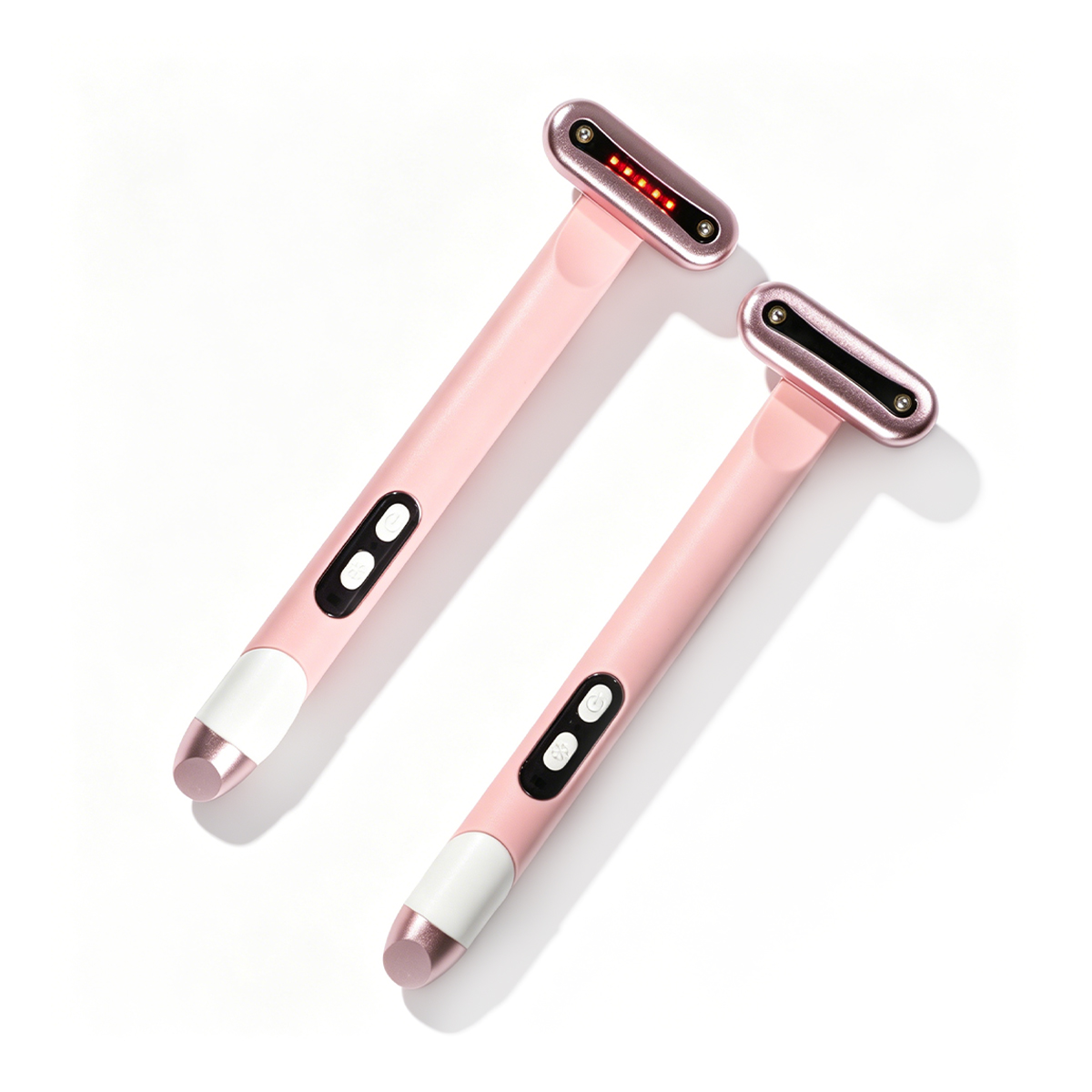
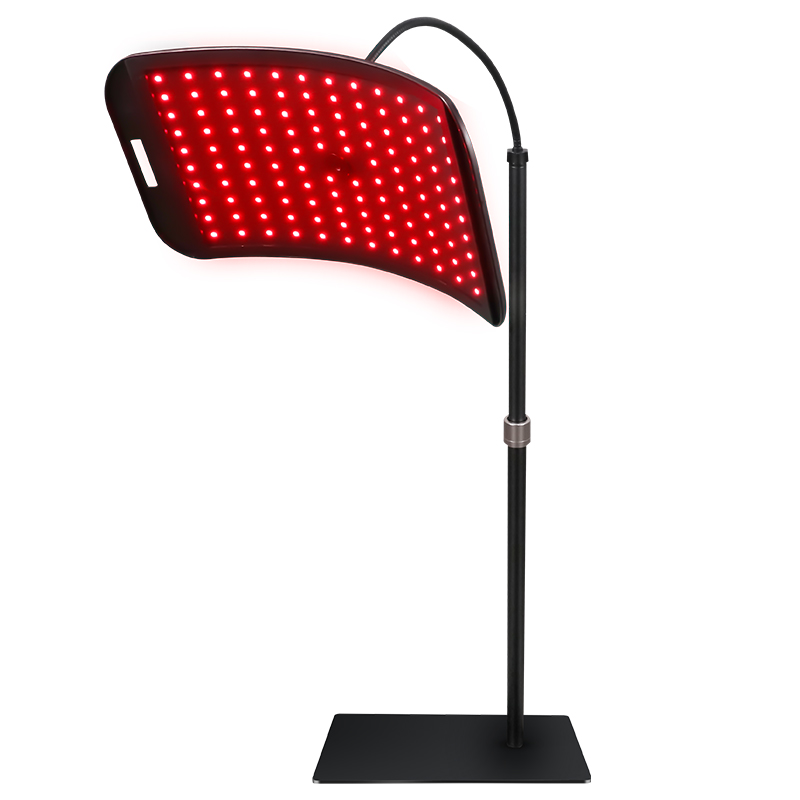
A private-label red light project begins with a brief, not a purchase order. Buyers usually arrive with three things in mind: who the product is for, how it should be positioned, and what the finished unit has to look like next to their existing line. Everything after that is a working answer to those three questions.
The most useful first conversation is a plain description of the intended use case and the channel — professional clinic, studio, or home retail. That single input shapes the enclosure, the control layout, the accessories, and the documentation that has to travel with the unit. Buyers who skip this step tend to spend the sampling stage re-deciding the product instead of refining it.
2. What has to be settled before sampling?
Sampling is only as fast as the decisions made before it. Before a prototype is built, both sides should agree on the product line and form factor, the panel size and treatment area, the control interface, and the target regulatory market. Ambiguity here shows up later as a second or third round of samples.
It also helps to settle the commercial frame early — who owns the artwork, which parts carry the buyer's label, and whether the packaging design is being developed in parallel. The specific schedule depends on the configuration and on how far the design has already progressed; a confirmed scope is what lets both teams commit to dates.
From sample approval to production
3. What happens after a sample is approved?
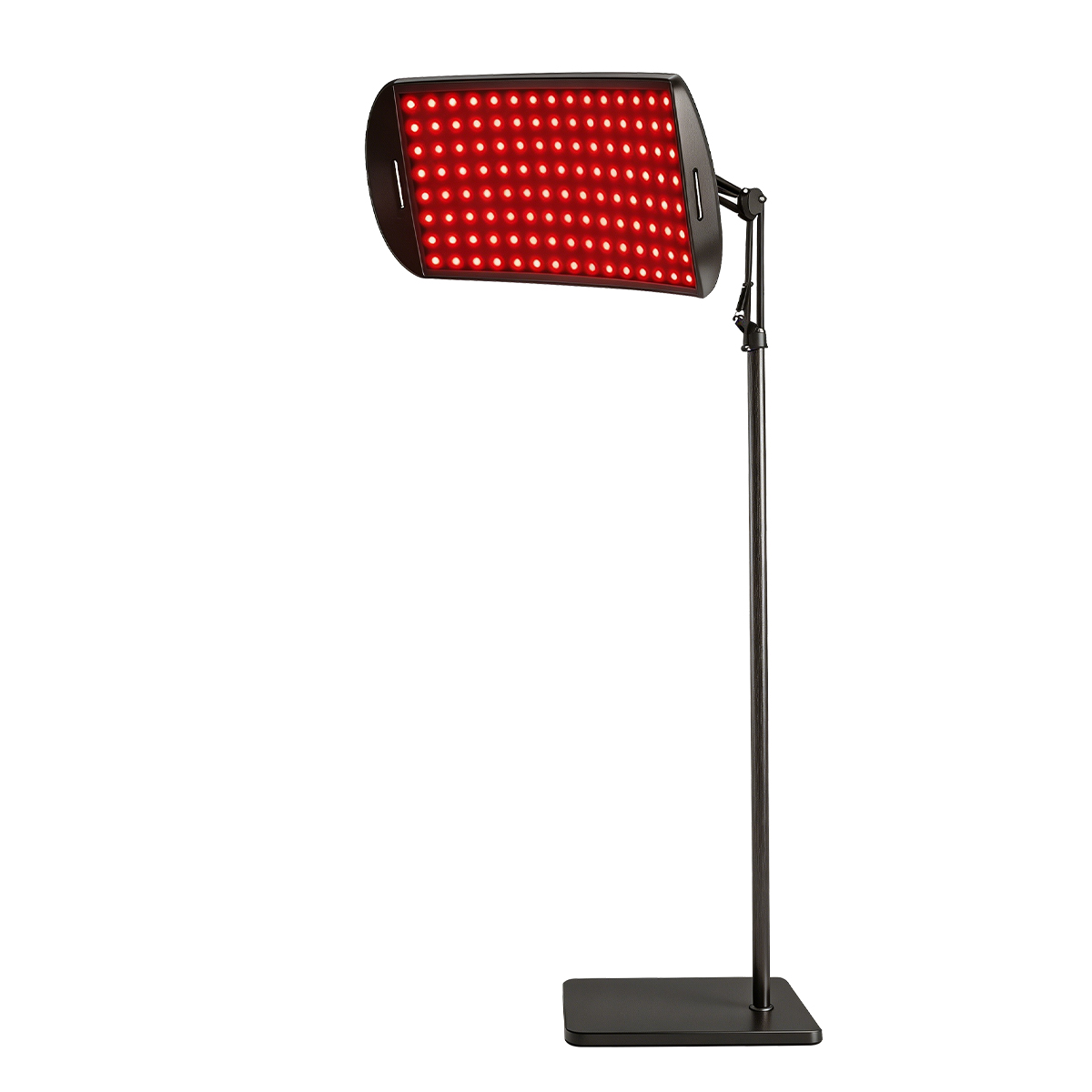
Once a sample is signed off, the approved unit becomes the reference build. Its configuration, finish, and labeling are frozen as the baseline, and any later change is treated as a new revision rather than a casual adjustment. This is the point where the engineering team moves from validating a design to documenting how it will be reproduced.
That documentation covers the assembly sequence, the incoming component checks, and the test steps each unit passes through. Because the factory runs its own engineering and production lines, the group that built the sample is the same group that prepares the production build — which is the simplest way to keep the approved unit and the shipped units consistent.
4. How do certification documents fit into the timeline?
Compliance is rarely a single moment; it runs alongside the project. The documents a buyer will need usually depend on the destination market, so the market decision made in the brief determines which evidence is relevant. Our facility works under ISO 13485, and the products carry FDA, CE, FCC, and RoHS documentation as applicable to the model and the market.
In practice this means the buyer should flag the target market as early as possible, because the labeling, the user manual wording, and the packaging marks all follow from it. Where a claim is not already covered by existing documentation, it should never be assumed — it is confirmed at sampling rather than written into a draft spec sheet.
Packaging and shipment readiness
5. When should packaging be decided?
Packaging should not wait until the product is finished. Retail boxes, inserts, and protective foam influence tooling lead times and the way units are handled at the end of the line, so the design is best locked while the product design is still open. Buyers supplying their own artwork should send print-ready files early enough to allow a physical proof.
Private-label work means the carton, the manual, and the serial labels all carry the buyer's brand rather than ours. Reviewing a printed proof before mass production avoids the expensive case where a correct product ships in packaging that has to be destroyed.
6. What is checked before shipment?
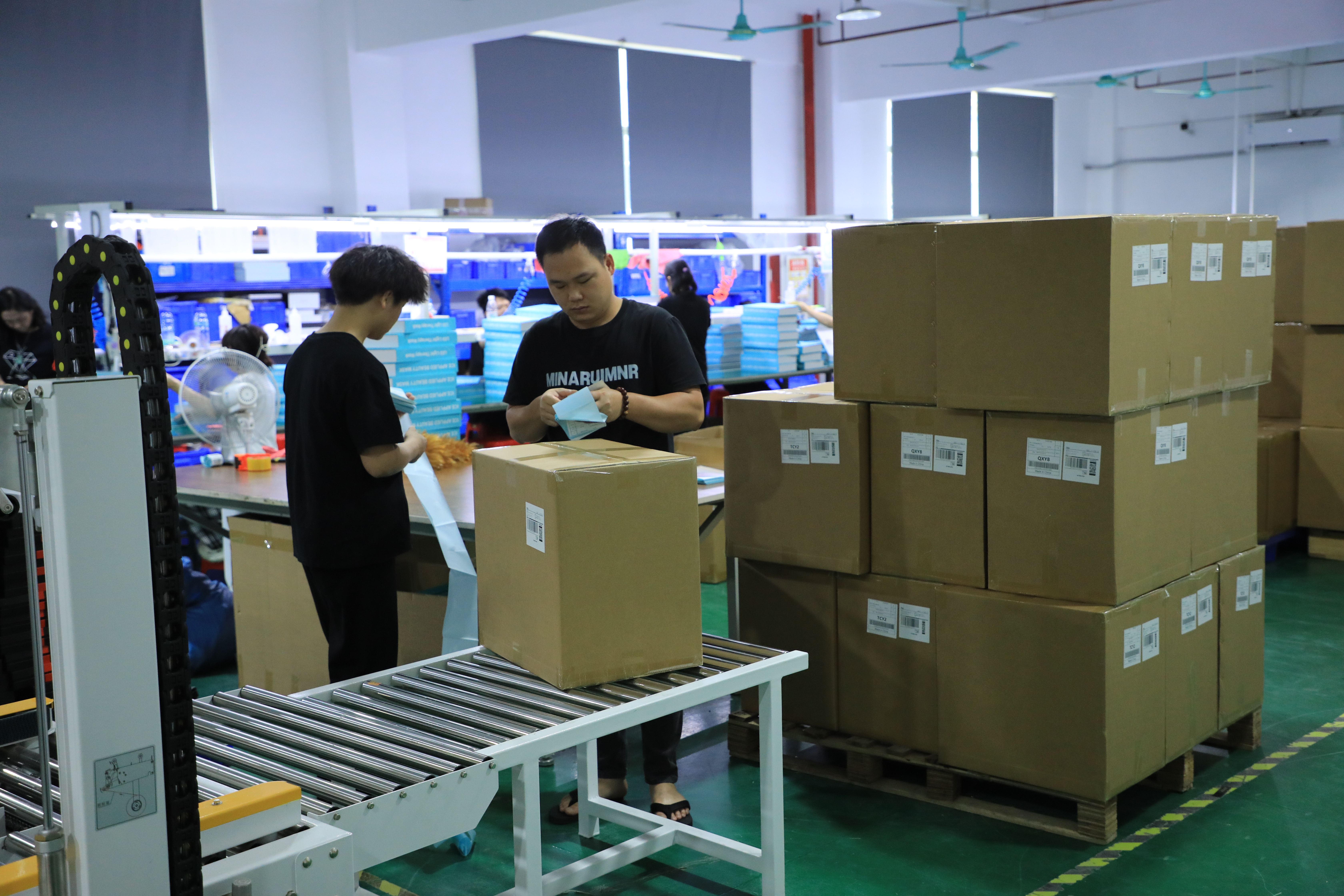
Before dispatch, units go through a final inspection that covers function, finish, accessories, and labeling against the approved sample. Packaging is opened and checked on a sample basis so that what arrives at the buyer's warehouse matches what was signed off, not just what was built.
Shipping documents, carton marks, and the packing list are cross-checked at the same time. Any deviation found at this stage is resolved before the container is released, which is why buyers are encouraged to confirm their shipping marks and consignee details well ahead of the final inspection.
Where to go next
If you are planning a private-label red light product, the fastest way forward is to send a short brief: the intended use, the target market, and the look you have in mind. From there we can walk through the product lines, discuss the configuration that fits, and outline the sampling path for your project. Request a quote and we will take it from the first conversation.