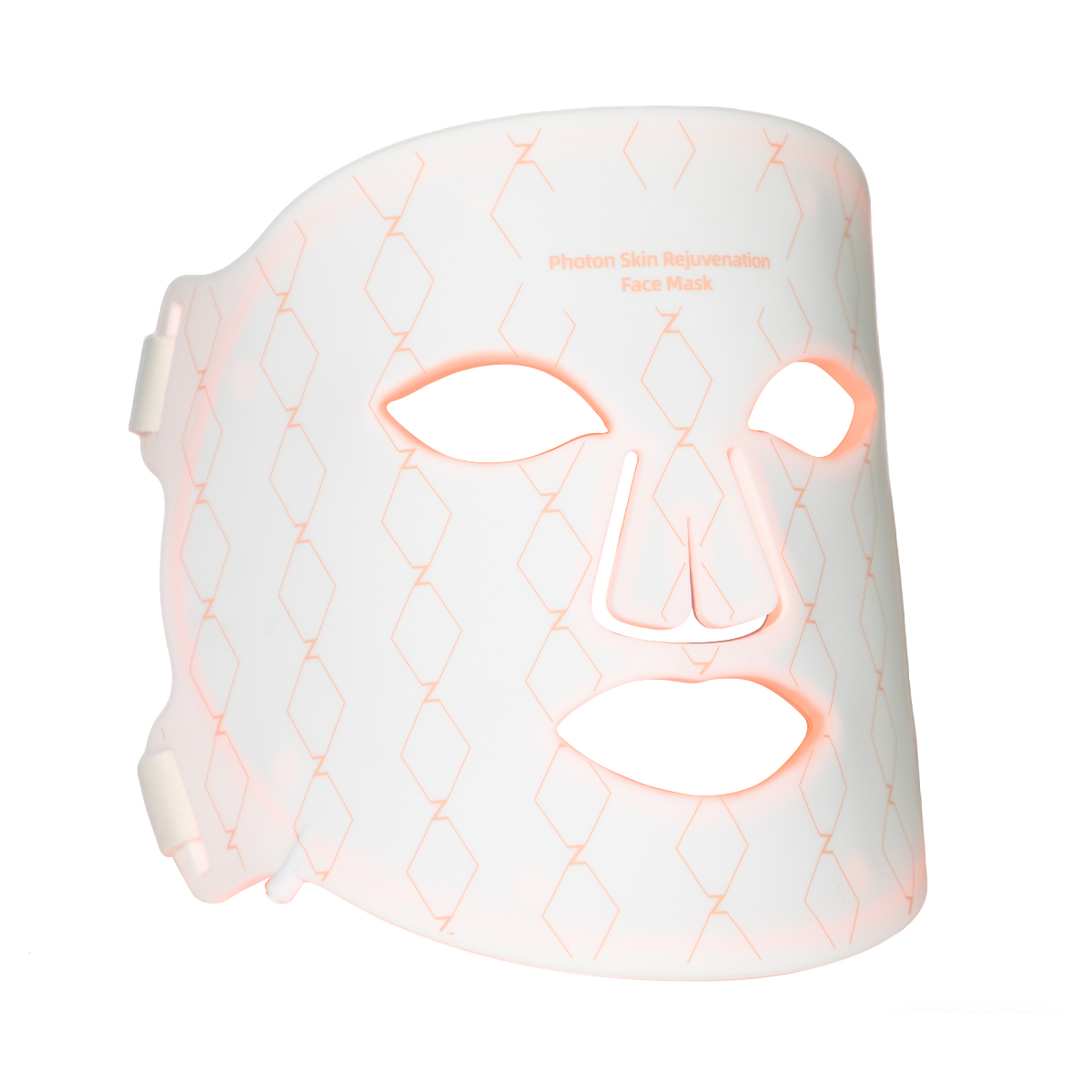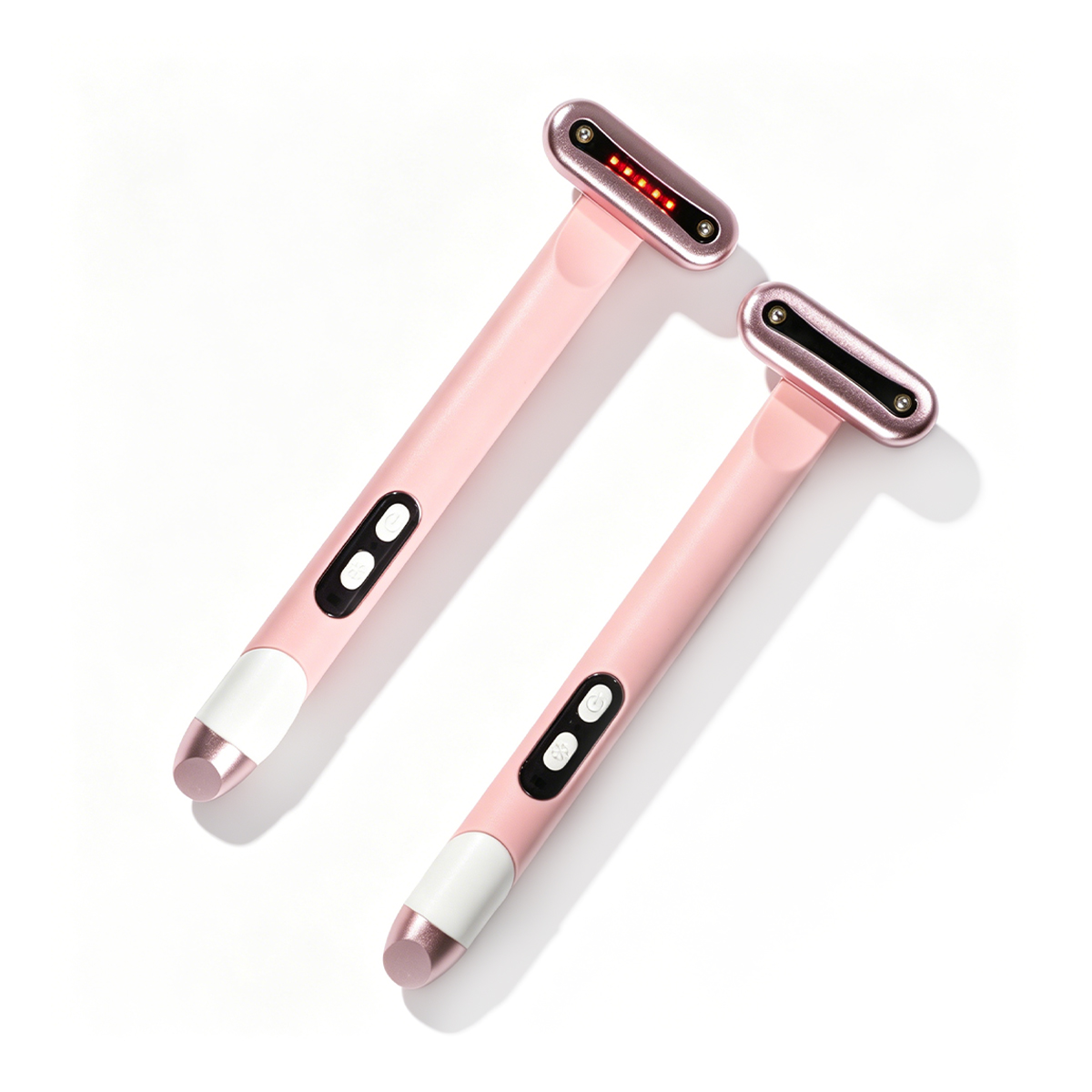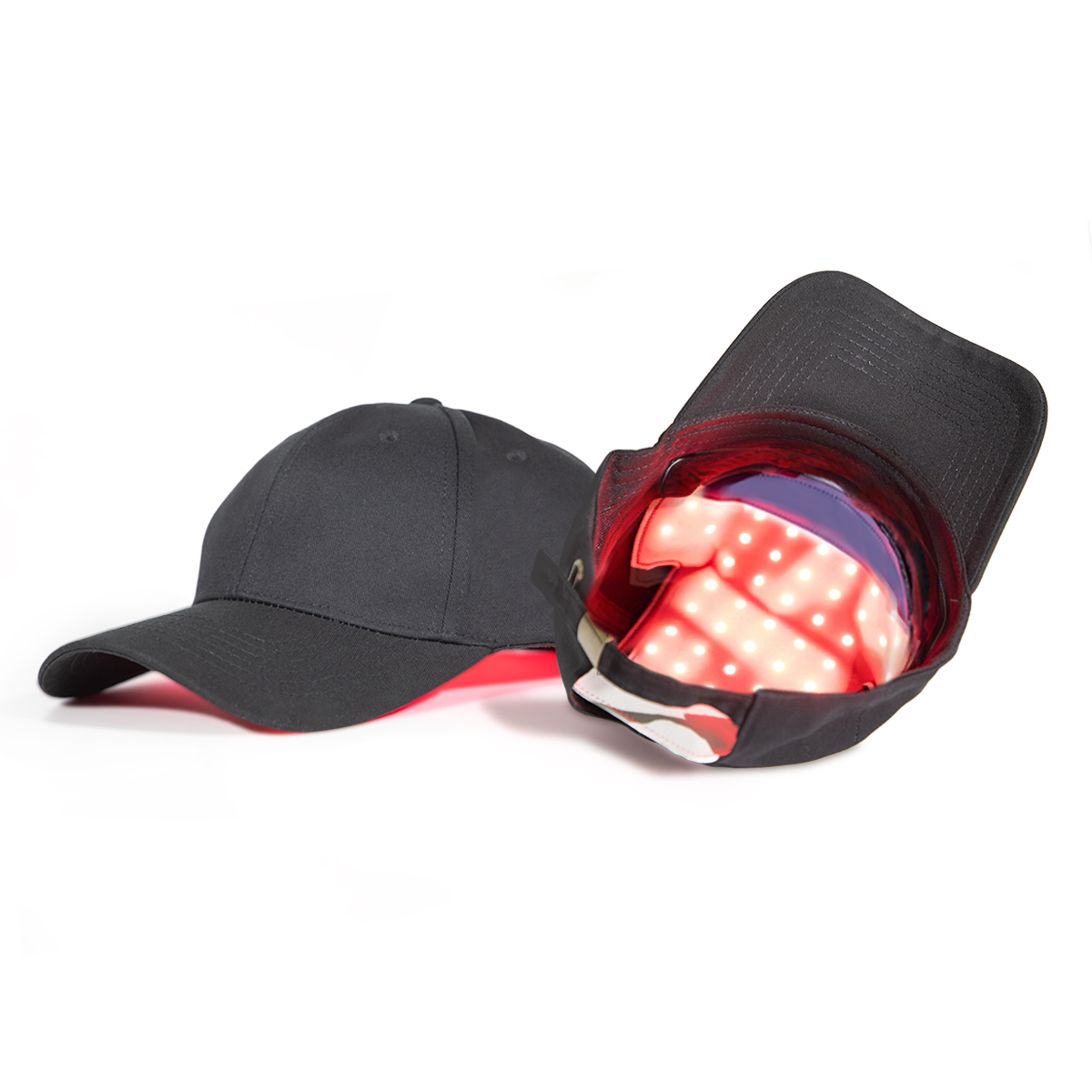
Private label and white label are often used as if they were the same thing, and from the outside they can look identical: a finished red light therapy device, your logo on the housing, your artwork on the carton. The difference sits one layer down, in how much of the device itself you are allowed to change. One route lets you reshape the product around your brand and your market; the other asks you to take a proven design as it stands and build the presentation around it. Knowing which one you are buying decides your timeline, your tooling cost, and how defensible the product is once competitors start listing something that looks very similar.
Private label: you change the device
In a private label engagement the manufacturer works from your specification rather than from a catalogue item. Emitter layout, panel geometry, housing material and finish, control scheme, firmware behaviour and the accessory set can all be adjusted within the limits of the platform. You are not starting from a blank sheet, but you are steering the design, and the output is a product that is genuinely yours rather than a relabelled version of something already on the market.
That control comes with work attached. Every change has to be reviewed for thermal behaviour, optical uniformity and electrical safety, and the more the design moves away from the reference build, the more validation is required before the unit can be released. Tooling for a new housing, custom moulds, and revised packaging artwork all sit on your side of the budget. The payoff is differentiation: your device can carry a form factor and feature set chosen for your market instead of borrowed from someone else's.
White label: you change the presentation
With white label the device already exists. The manufacturer supplies a qualified platform, and what you customise is the layer the customer actually sees and touches: the logo on the housing, the colour of the shell, the retail carton, the quick-start card, the manual and the brand story around it. The engineering is settled, which means the compliance work and the production process are settled too.
Speed is the obvious advantage, and cost predictability runs close behind. There is no tooling cycle for the housing and no new optical validation, because the hardware is unchanged. What you give up is the ability to solve a market-specific problem at the design level, for example a shape that fits a particular treatment position or a control layout your customers expect. White label rewards brands whose advantage is distribution, brand and service rather than hardware.
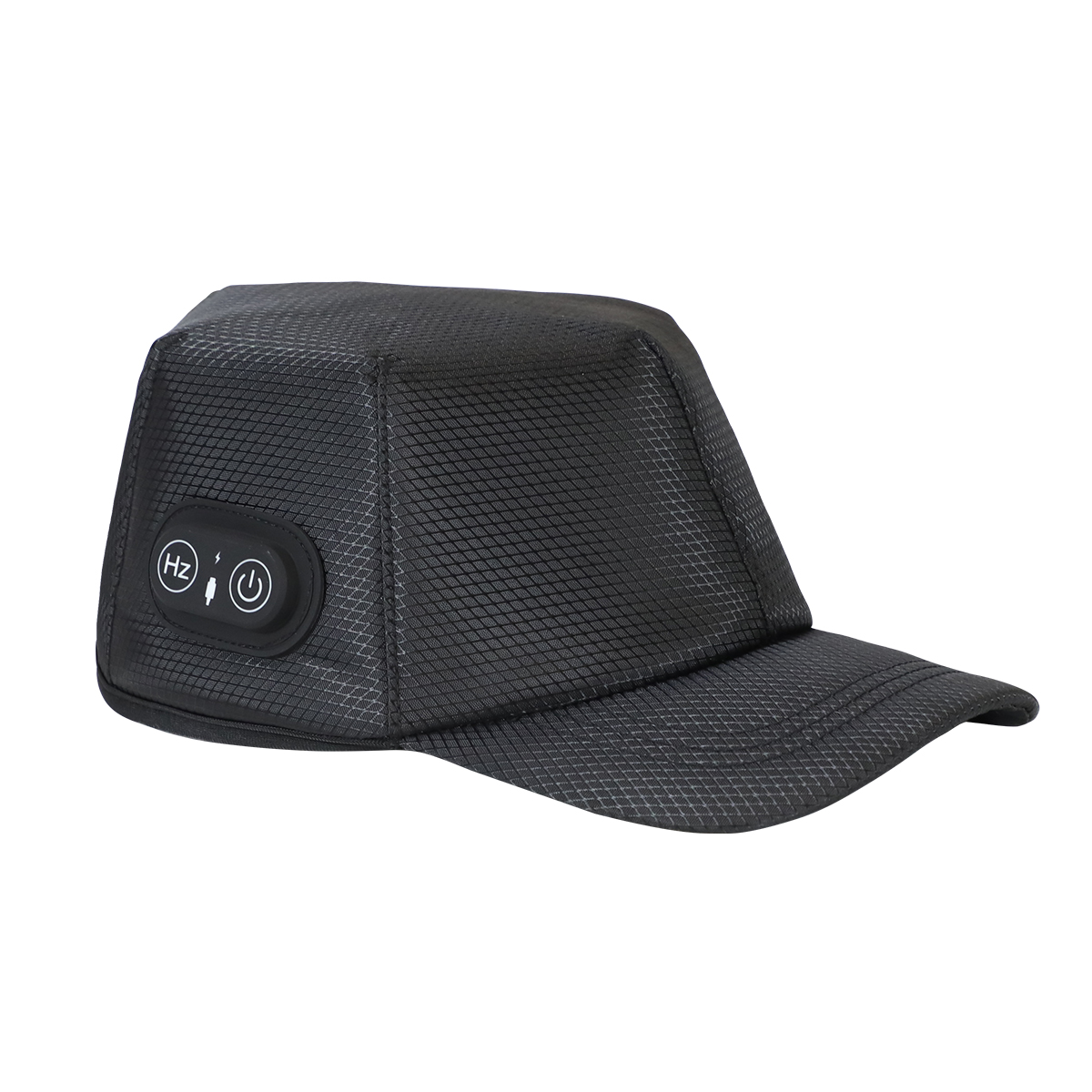
The distinction is easiest to see in something like a cap-format device, where the mesh, the shell and the emitter arrangement are tightly coupled. A private label buyer can ask for a different fit or a different vent pattern; a white label buyer takes that geometry as fixed and puts their identity on it. Neither approach is better in the abstract. The question is whether the change you want to make lives in the device or in the presentation.
What changes on the line
The table below is the practical version of the comparison. It maps the four areas buyers ask about most to what each route actually allows.
| Item | Private label | White label |
|---|---|---|
| Appearance | Housing shape, material, finish and colour can be specified | Existing housing and colour options from the platform |
| Packaging | Custom structure, inserts and artwork built for your SKU | Your artwork on the standard carton and insert set |
| Manual | Content and layout written around your configuration | Template manual adapted with your branding |
| Certification documents | Issued against the configuration you specified | Issued against the existing platform as supplied |
One point worth stating plainly: in both routes the certification documentation belongs to the product that was actually tested. A private label build is certified as the configuration you defined, and a white label build is certified as the platform the manufacturer already validated. Rebranding does not invalidate a certificate, but changing the device does change what the certificate covers. Our own documentation set includes ISO 13485, FDA, CE, FCC and RoHS, and the scope of those documents always follows the build.

On the line itself, a white label run slots into an existing process with a change of artwork and labels. A private label run introduces new part numbers, new fixtures and a separate inspection routine, because the unit being assembled is not the one the line was originally set up for. That is the real cost of customisation, and it is why the two routes have such different minimum quantities and lead times depending on the configuration. We run five product lines with in-house engineering and production, which means both routes are handled by the same team, but the process behind them is not the same.
If your market rewards a device that fits a specific use case and you have the time and budget for tooling and validation, private label gives you something competitors cannot simply reorder. If you need to be selling under your own brand quickly and your advantage sits in marketing, channel and customer service, white label removes most of the engineering risk. A sensible middle path is to launch on a white label platform to learn what your customers actually ask for, then move the winning configuration into a private label build once the requirements are confirmed at sampling. Either way, ask for the configuration list and the certification scope in writing before you commit, because those two documents tell you exactly which route you are on.